Introduction to Solar Water Heating
As energy bills continue to climb, many homeowners in the USA are looking for effective ways to cut costs. Solar water heating represents one of the most practical solutions. By utilizing solar energy to heat your water, you can significantly reduce reliance on traditional energy sources and lower your utility expenses.
This article explores how solar water heating systems work, their benefits, installation considerations, and what you need to know to start saving on your energy bills.
How Solar Water Heating Works
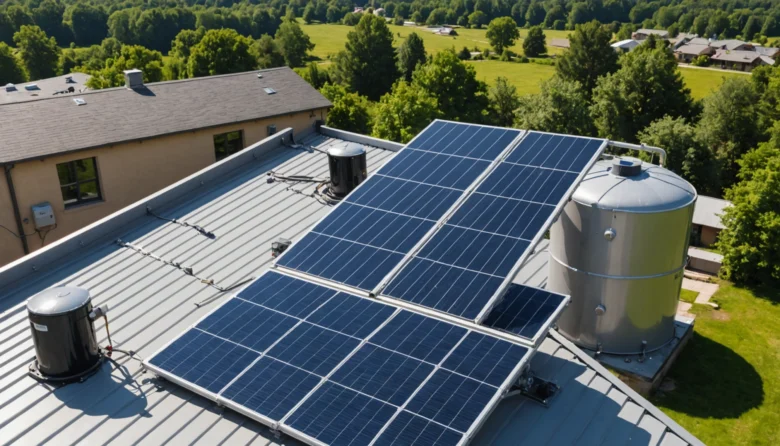
Solar water heating systems use solar collectors, typically installed on rooftops, to absorb solar energy. This energy is then transferred to a fluid that circulates through the system, heating the water in a storage tank. Most systems contain an auxiliary energy source to provide hot water on cloudy days or during high demand periods.
These systems are either active or passive, with different configurations to suit varying climatic conditions and household needs.
Types of Solar Water Heating Systems
Active Systems
Active systems use pumps to circulate the heat-transfer fluid. These are generally more efficient but can be more expensive to install. They come in two main types:
- Direct Circulation Systems: Suitable for areas where temperatures rarely fall below freezing, these systems pump household water through the collectors and into the home. They are efficient where freezing conditions are not a concern but need to be shut down in extremely cold weather to prevent pipe damage.
- Indirect Circulation Systems: Ideal for colder climates, these use a non-freezing liquid to transfer heat to water stored in a tank through a heat exchanger. This system ensures that water heating can continue even in freezing conditions without risk of damage to the system.
Passive Systems
Passive systems, while generally less efficient, are simpler and more affordable. Two common types include:
- Integral Collector-Storage Systems (ICS): Best for regions with mild winters, these systems store water directly within the solar collector, allowing the sun to naturally heat the water. They are simple but less effective in areas with prolonged cold periods.
- Thermosiphon Systems: This setup involves a storage tank positioned above the collector, relying on natural convection (the thermosiphon effect) to circulate water as it heats and cools. This system requires a storage tank location above the collectors, which can complicate installation.
Benefits of Solar Water Heating
- Reduced Energy Costs: By supplementing traditional heating methods with solar energy, homeowners can significantly decrease their electricity or gas bills. Generally, solar heating can meet 50-80% of water heating needs depending on the system size and location.
- Environmental Impact: Lower your carbon footprint by reducing dependence on fossil fuels. The use of solar energy is inherently clean and renewable. You can explore more environmental benefits in our Carbon Footprint Reducer.
- Energy Independence: By producing your hot water, you become more self-reliant, lessening the impact of fluctuating utility prices, which contributes to greater home efficiency and sustainability.
Installation Considerations
Before installing a solar water heating system, consider the following factors to ensure a successful and cost-effective setup:
- Climate Suitability: Solar water heating is most effective in sunny locations. Evaluating your region’s climate helps determine the appropriate system type. In areas with less sun, larger or more efficient collectors may be needed to harness the available energy.
- Roof Space and Orientation: Ensure you have sufficient roof space with optimal sun exposure. In the USA, south-facing slopes are ideal. Trees, tall buildings, or other structures should not cast shade on your solar collectors.
- System Size: The sizing of the system should match household hot water requirements. Oversized systems will not be cost-effective and could result in unnecessary expense, while undersized systems may not meet your needs. It’s crucial to calculate the appropriate size based on household water usage patterns.
It’s also helpful to use tools like a Solar Panel Needs Calculator to determine specifications and sizing tailored to your specific energy needs.
Steps for Installing a Solar Water Heating System
Installing a solar water heating system involves several steps, each crucial for the effectiveness and longevity of the system:
- Site Assessment and Design: Begin with a comprehensive site assessment to determine orientation, shading, and roofing materials’ suitability. A professional installer can help optimize the design.
- Permits and Approvals: Obtain necessary permits and approvals from local authorities. This step is crucial to ensure compliance with building regulations and zoning laws.
- Installation of Collectors and Storage Tank: Install solar collectors on the roof, ensuring they are securely mounted and properly oriented. The storage tank can be installed indoors or outdoors, depending on space and climate considerations.
- Connecting the System: Connect the piping and control systems that will regulate the flow of water and non-freezing fluids, where applicable.
- Testing and Commissioning: Perform a thorough test of the system to ensure everything is functioning correctly. This step includes verifying the thermostat settings, checking for leaks, and ensuring optimal pressure in the lines.
Professional installation is recommended to ensure all components are properly set up and to maximize system performance and safety.
Common Mistakes and Tips for Avoidance
- Ignoring Local Regulations: Always check local building codes and permits necessary for installation. Failing to do so can lead to legal issues and substantial fines.
- Not Considering Maintenance Costs: Solar systems have low maintenance, but it is not negligible. Regular checks for leaks, pipe insulation, and performance assessments are essential. Neglecting these can result in decreased efficiency or system failure.
- Selecting the Wrong System Type: Analyze your climate and household needs thoroughly before deciding between active or passive systems. Incorrect type selection can lead to suboptimal performance or unnecessary costs.
- Overlooking Sun Path Analysis: Failure to consider the sun path can result in collectors being shaded part of the day, drastically affecting efficiency. Use tools or consult with professionals to analyze shading and sun paths effectively.
Limitations of Solar Water Heating
Despite its benefits, solar water heating is subject to certain limitations that must be considered:
- Initial Cost: The upfront expense can be significant, often requiring a few years to recoup the investment through energy savings. Calculating long-term benefits is essential before making a decision.
- Weather Dependence: The efficiency of solar heaters can fluctuate with weather patterns. Overcast or rainy climates can decrease effectiveness, necessitating backup heating systems.
- Space Requirements: Adequate space for collectors and tanks is necessary. Urban or densely built areas may not provide sufficient space, limiting the feasibility of installation.
FAQ
- How much can I save with solar water heating?
Savings vary based on system size, local utility costs, and other factors, but many homeowners can expect a 50-80% reduction in water heating expenses. - Are there incentives for solar water heating?
Many states offer incentives or rebates for solar installations. Check your state’s energy department for available programs and eligibility requirements. - What is the lifespan of a solar water heating system?
Most systems last 15-20 years with proper maintenance. Regular maintenance ensures longevity and optimal performance.
Conclusion
Investing in a solar water heating system can provide substantial savings on your energy bills while promoting an eco-friendly lifestyle. By understanding your home’s specific needs and local conditions, you can effectively implement a system that balances costs, efficiency, and sustainability. Evaluating your options with an open mind and seeking professional guidance can ensure a return on your investment and a reduced environmental impact.